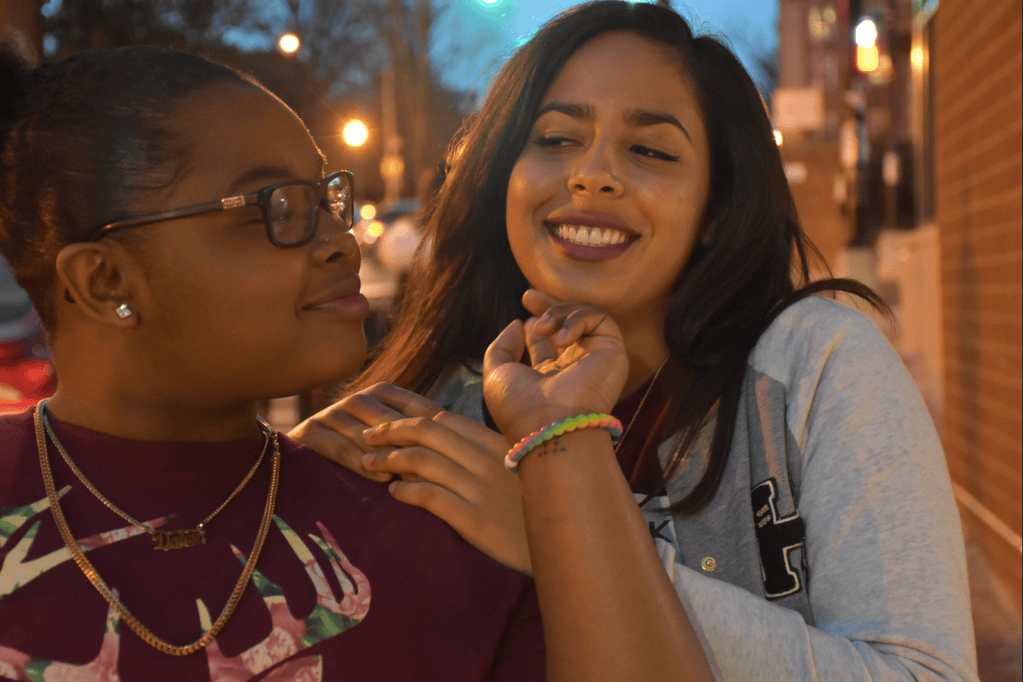
The conversation about queer students at historically Black colleges and universities is one that has opened relatively recently. In 2016, Delece Smith-Barrow, a staff writer for U.S News and World Report, wrote an article about how HBCUs were increasing direct support for queer students with resources and offerings targeted at the community specifically. She wrote about homophobic tendencies and policies at HBCUs, such as Hampton University’s early rejection of the formation of a queer campus organization, and Morehouse College’s strict dress code that prevents male students from wearing traditionally female clothing. She included a timeline of events related to queer students at HBCUs, which included a homophobic baseball bat attack in 2002 at Morehouse, Spelman hosting the first gathering of HBCU leaders to discuss LGBTQ issues in 2011, and the 2016 launch of a queer supporting HBCU e-newsletter.
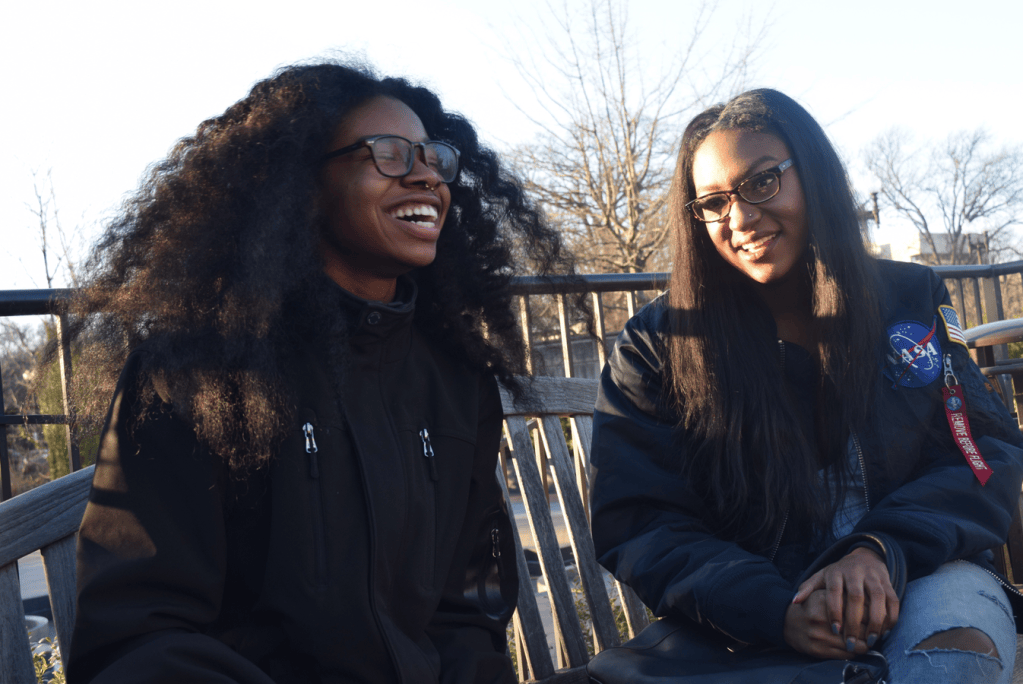
There was an article published in The Nation about the lack of resource centers for queer students at historically Black colleges and universities. Out of over 100 HBCUs nationwide, only three, Bowie, Fayetteville, and North Carolina Central, have LGBTQ student centers. Beverly Guy-Sheftall, PhD, the head of the Women’s Studies department at Spelman College, detailed how it’s difficult to foster a safe environment for queer students at HBCUs because there is a refusal to acknowledge the presence of homophobia.
I decided to center my interactive timeline around this subject because for one, I am a queer student attending a historically Black university, Howard University to be specific. Since arriving here, I have faced and observed many micro-aggressions on part of my peers and staff members. I had a professor refer to my classwork as “having a theme” because I included queer topics in my projects. I took offense to this because if another student were to talk about heterosexual things, he did not refer to their work as having a theme. My identity is seen as an “other,” as a spectacle or a political topic, rather than just a normalcy.
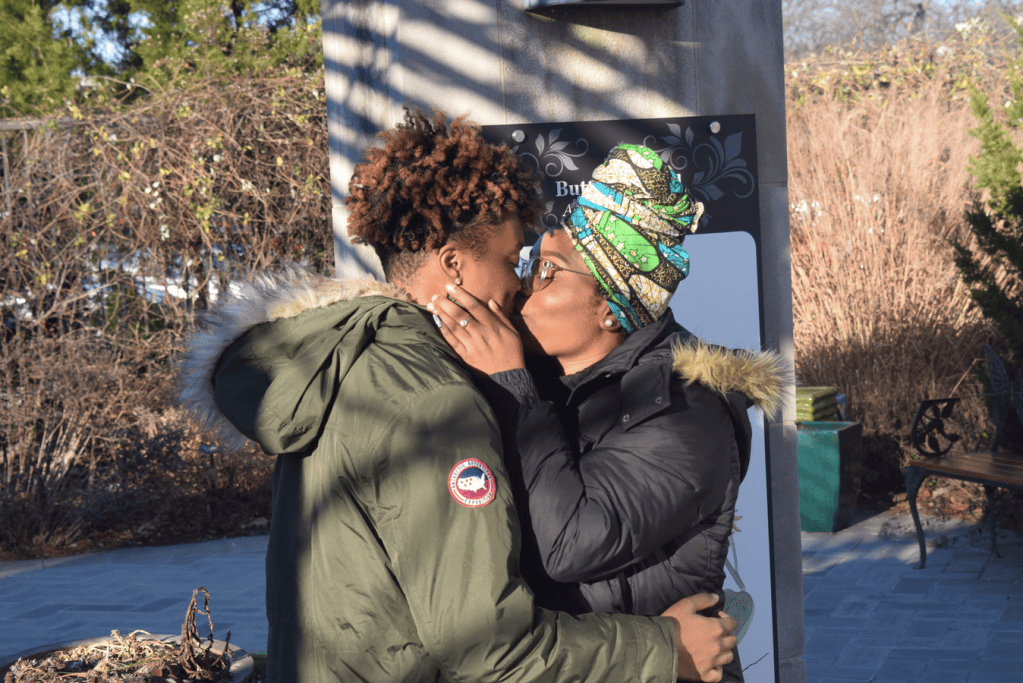
I have heard students, especially cisheterosexual males, talk negatively and make jokes about queer students on campus. When there was an uproar on Twitter about Howard University’s official Twitter account failing to acknowledge Pride Month this summer, I saw students saying that it “wasn’t a big deal” and that Howard students “make a problem out of nothing.”
We are a long way away from being in a space to foster an all inclusive environment here at Howard, but I feel opening up the conversation about queer life on campus can be a catalyst to get there.

